Janet Carr posted: " Did you know that there is a Museum of Menstruation? It is run by a man and is actually really interesting - for example, women now have about 400 periods in their lifetimes. Our female ancestors had only about 100 periods, due to constant pregnanc" https://thisbugslife.com
It is run by a man and is actually really interesting - for example, women now have about 400 periods in their lifetimes. Our female ancestors had only about 100 periods, due to constant pregnancy and breastfeeding. They were housebound when they had their periods because there was no great way of coping with it. Today women also start their periods earlier and enter menopause later so we menstruate for longer.
Joshua Yospyn
Joshua Yospyn
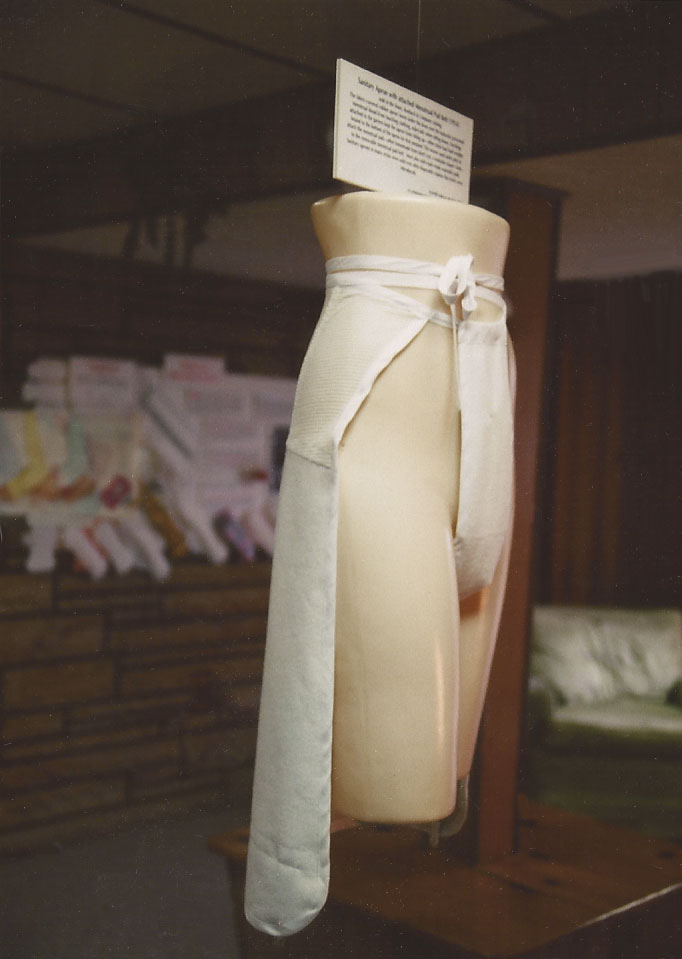
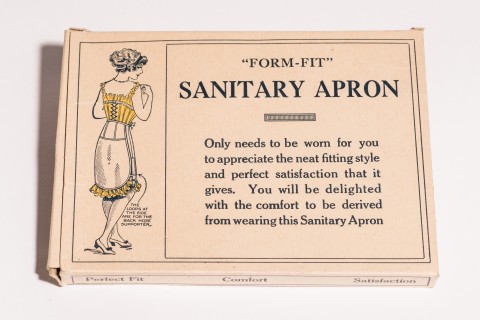
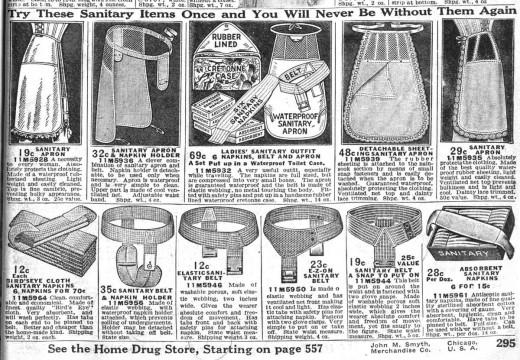
I used to hate these things!
In developed countries, menstruating women (without menstrual problems that is) can live their lives normally. In developing countries women are often shunned, at risk of infection, and unable to carry on a normal life for a week or more a month. Not because of medical issues, but because they do not have access to the products we take for granted. This is called period poverty.
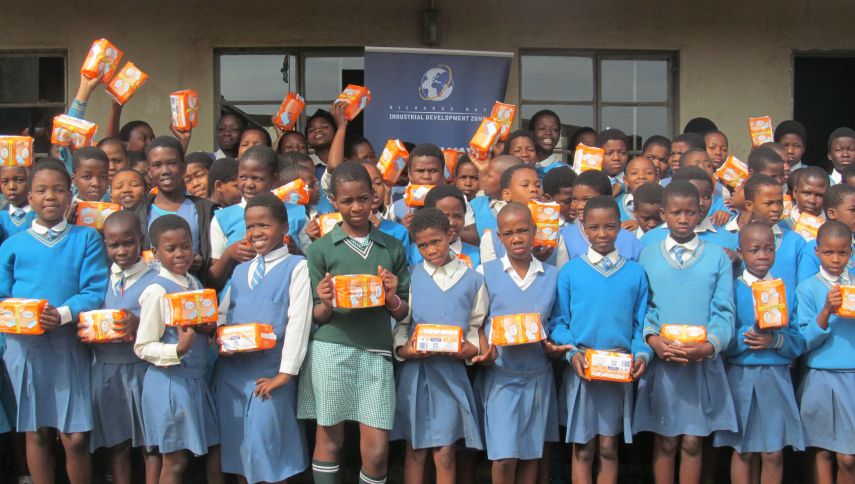
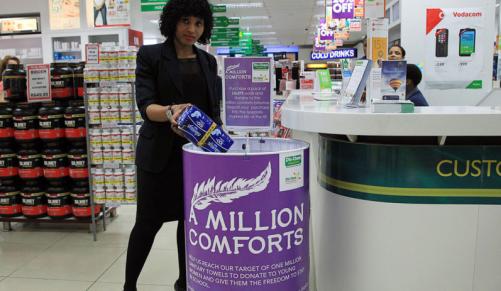
In many African countries, girls are unable to attend school when they have their periods because they do not have access to sanitary products. Almost 30% of girls end up dropping out of school because they miss about a week of school per month. In South Africa though, there are many projects that get these products out to many people who need them. In some schools, the boys restock the sanitary cupboards to teach them about periods. There are still many men out there who are both ignorant and afraid of women's periods.
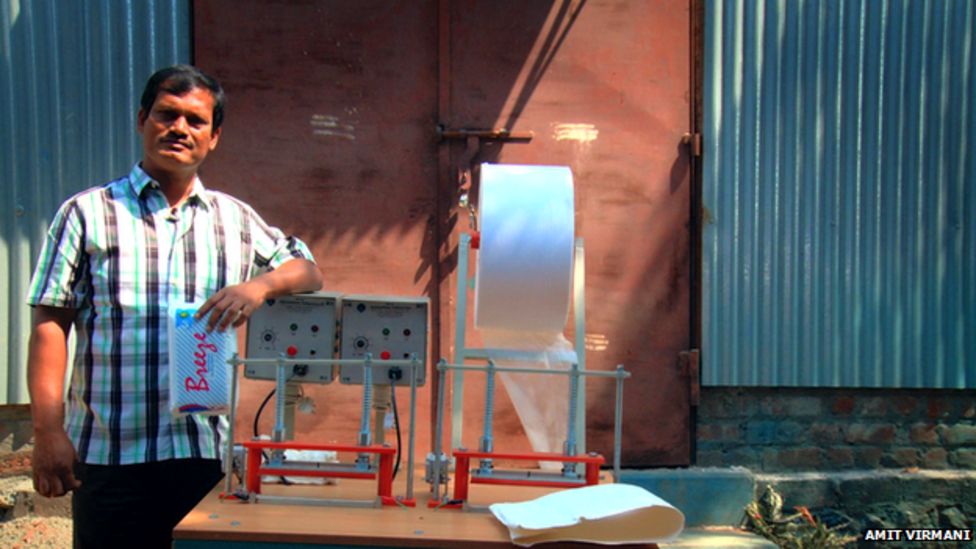
I also really admire Arunachalam Muruganantham (below), who sacrificed a great deal (family, money, social class) to bring affordable sanitary products to women in India, even testing them himself because he could not find anyone who would test them for him. He now empowers women by educating them on how to produce, name and market affordable sanitary protection for fellow Indian women, creating job opportunities at the same time. The documentary Menstrual Man is about him. I think he is WONDERFUL!
I started out with the awful sanitary belt, then pads with adhesive strips came out, freeing me from it. Later I moved to tampons, until I had an complete hysterectomy at 33, due to uncontrollable bleeding which was destroying my life and making me more and more ill. I was in a developing country at the time, in a town with no specialist doctors, and my doctor was an elderly man. Hysterectomy was the first and only option I was given. If I had been in Sweden, I am sure I would have had better help and been able to have children. But life is too short for ifs.
Nowadays you have menstrual cups and period underwear which probably would not have coped with my flow but which have revolutionised that time of the month. I wish I had been able to try them.











No comments:
Post a Comment